Consistently ranked among China's top general hospitals
In the widely cited Fudan Institute Hospital Rankings, West China Hospital has held a position in the top two general hospitals in mainland China for many consecutive years.
What West China Hospital in Chengdu really is: its scale, its departments, its equipment and its research standing — and the two service models, standard care and the International Medical Department, you can choose between.
China's best hospitals are large public university medical centres. They treat enormous numbers of patients every day, which produces deep clinical experience — and also means a visit is fast, efficient and quite different from a Western hospital.
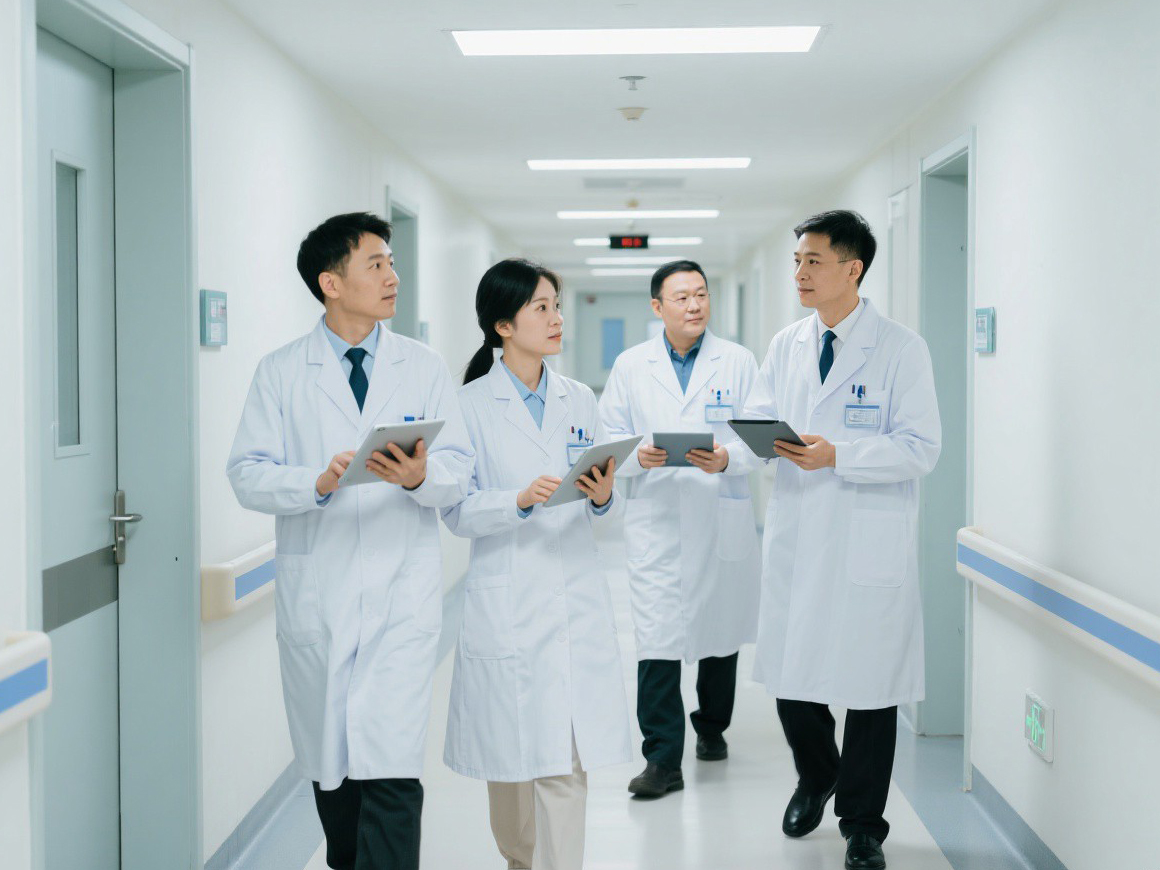
West China Hospital sits in central Chengdu. It is part of Sichuan University — a Double First-Class university — and combines an enormous general hospital with specialist institutes that are recognised leaders in their fields.
In the widely cited Fudan Institute Hospital Rankings, West China Hospital has held a position in the top two general hospitals in mainland China for many consecutive years.
Anaesthesiology, radiology, pathology, general and hepatobiliary surgery, neurosurgery, urology, rehabilitation, geriatrics, emergency and critical care, nuclear medicine and clinical pharmacy are all nationally recognised.
West China's dental school is the birthplace of modern dentistry in China and is regularly placed first nationally in stomatology in specialty rankings — a strong option for oral, maxillofacial and implant work.
The hospital's international and VIP outpatient services offer shorter queues, English-speaking staff and appointment-based scheduling — a practical route for visitors who cannot spend days waiting.
Faculty publish and collaborate with institutions worldwide, and many senior clinicians trained or held fellowships abroad — so international guidelines are familiar ground.
Beyond the main campus, West China's affiliated hospitals — including its women's and children's hospital and dental hospital — broaden the range of cases we can place.
Rankings, bed counts and departmental strengths are summarised from publicly available sources and change over time. We confirm the current position of a department, and whether a specific professor accepts international patients, before recommending it to you.
Every figure below is taken from West China Hospital's own published 2025 materials. Numbers of this size are exactly why an international patient benefits from a coordinator rather than a queue ticket.
The hospital's senior clinicians are concentrated in a small number of very large specialty departments. Knowing their scale tells you which of them can genuinely move fast on a complex case.
Consultants and professors holding a senior professional title — of whom 370 are doctoral supervisors and 520 are master's supervisors.
As the clinical school of Sichuan University, the hospital trains physicians from across the country, with 67 doctoral and 68 master's degree programmes across four first-level disciplines.
The faculty includes a Chinese Academy of Sciences academician, national-level teaching masters and national teaching teams.
Examples of how large a single specialty can be. Bed and staff counts are taken from the departments' own published introductions.
| Department | Scale | Subspecialties and strengths |
|---|---|---|
| Neurosurgery | 294 beds, 10 subspecialties | Cerebrovascular disease, skull-base tumours, glioma, spinal disease, functional neurosurgery and stereotactic radiosurgery, paediatric neurosurgery. |
| Pulmonary and critical care medicine | 292 beds in 6 units | Respiratory intensive care, tuberculosis, lung function testing and respiratory endoscopy — among the largest departments of its kind in China. |
| Gastroenterology and hepatology | 208 beds, 52 physicians | Liver disease, biliary and pancreatic disease, upper and lower gastrointestinal disease and interventional endoscopy. Includes 8 doctoral and 13 master's supervisors. |
| Nuclear medicine | 51 specialists | More than 40 molecular imaging procedures; annual SPECT/CT scan volume is the highest of any hospital in China. |
| Stomatology (dental) | Ranked first nationally | The birthplace of modern dentistry in China, with particular strength in oral and maxillofacial surgery and implantology. |
The hospital operates one of the largest equipment inventories in China, with a total value of roughly US$310 million.
Funding and publication are the clearest public signal of whether a hospital's protocols track the international front line.
Figures are drawn from the hospital's public 2025 profile, departmental introductions and research statistics, and cover the hospital group including its three directly managed campuses. Beds, staffing, equipment counts and research output change from year to year; we re-check them with the relevant department before quoting anything to you.
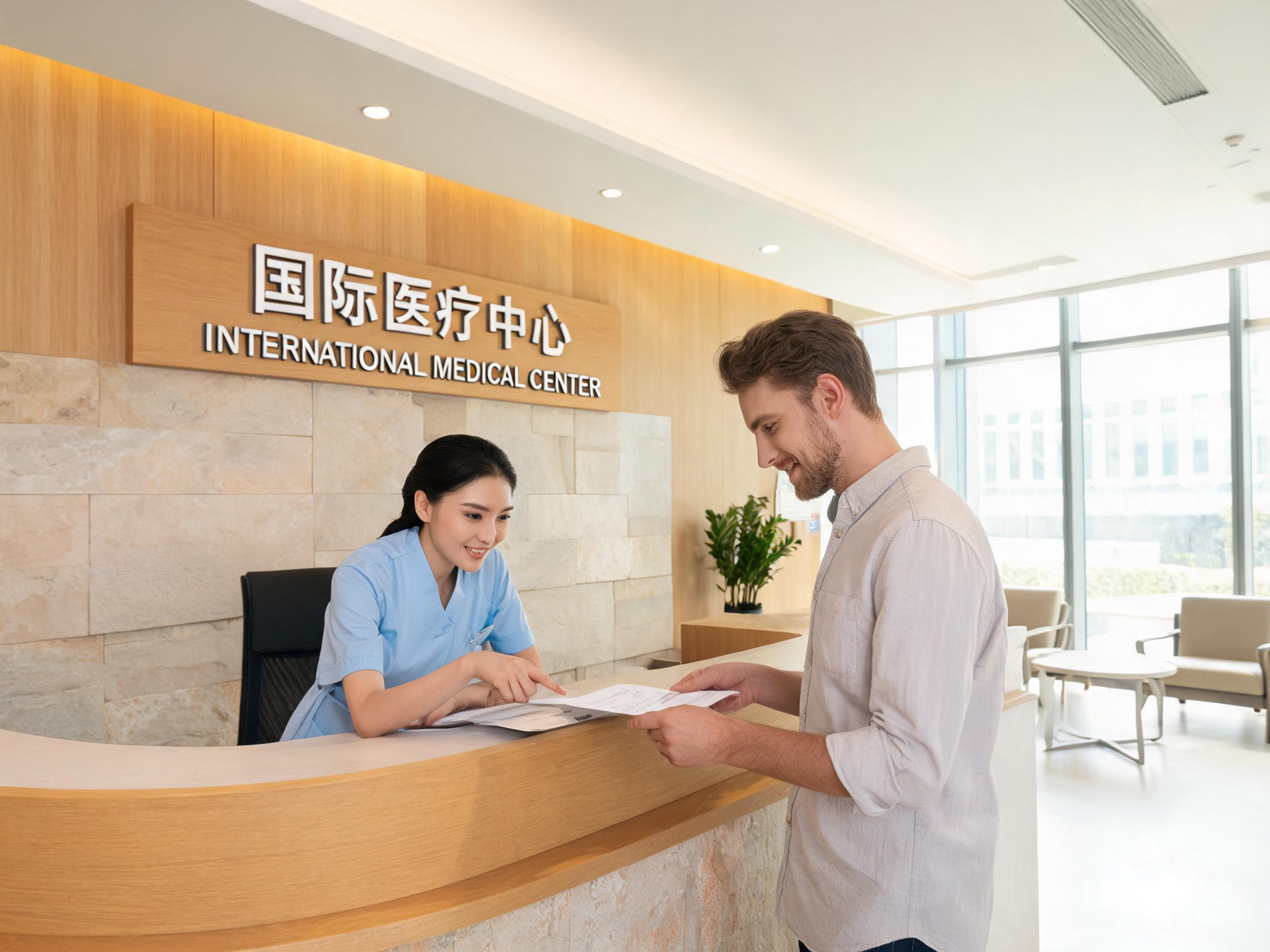
Knowing these five things in advance removes most of the stress of a first visit.
The same hospital and the same specialists, but two very different service models and price levels. Switch between the tabs to see what each one actually gives you, then compare them side by side below.
Chinese public hospitals are built for volume. Registration, payment, tests and reports are separate steps you handle yourself, in Chinese, among very large numbers of patients. It is fast and remarkably cheap — but it is not a concierge service.
Patients with a tight budget, a clear diagnosis already in hand, some Mandarin or a companion who speaks it, and the confidence to manage appointments and paperwork themselves.
West China Hospital runs a dedicated international and premium-care service for patients who want the clinical strength of a top public hospital without the crowds. You pay a clear premium for time, privacy and language.
Premium care buys service, time and privacy — not better medicine. The operating theatres, the surgeons and the clinical protocols are the same ones used for standard patients. It also costs clearly more, and the premium is heaviest on registration fees and room charges.
The clinical quality comes from the same departments. What differs is everything around the medicine.
| Aspect | Standard care | International Medical Department |
|---|---|---|
| Booking | General queue or online release; popular professors go fast | Dedicated appointment channel; you can name the professor and the time |
| Language | Chinese only; you arrange your own translator | English-speaking staff and medical translators on site |
| Waiting time | High volume; significant queues at peak periods | Appointment-based, separate waiting area, short waits |
| Consultation | Shared consulting rooms, brief physician time | Private rooms with a more unhurried discussion |
| Tests and reports | You book and collect each item yourself | Coordinated for you, delivered together and translated |
| Accommodation | Multi-bed ward, shared facilities, fixed routines | Single room or suite, family may stay |
| Costs | Government-published standard rates — the lowest available | About 2–5 times the cost of standard care |
| Best for | Budget-conscious, self-reliant patients comfortable in Chinese | Patients who want language support, privacy and a managed trip |
Indicative ranges in US dollars, converted at roughly 7.1 CNY per USD. Both columns come from the same published hospital price list; the international column adds the premium service charge.
| Item | Standard care (USD) | International Medical Department (USD) |
|---|---|---|
| Standard outpatient registration | $1 – $7 | $42 – $140 |
| Senior specialist (professor) outpatient | $14 – $42 | $70 – $210 |
| CT scan (plain) | $28 – $85 | $70 – $170 |
| MRI scan | $70 – $210 | $140 – $420 |
| Ward bed, per night | $11 – $28 | $210 – $560 |
| Laparoscopic gallbladder removal (total) | $2,100 – $4,900 | $4,200 – $9,900 |
| Medical translator and accompaniment | Not provided — arrange your own | Included in the service |
Figures are indicative only. International Medical Department charges are set by the hospital and typically run about two to five times standard rates — the gap is widest on registration fees and room charges, and narrowest on surgery. Only a written quotation for your own case is authoritative, and we add no margin to any hospital charge.
Consultations, imaging, surgery and hospital stays in Chengdu, plus our own service fee — all shown in US dollars so you can compare directly. The full tables sit on their own page.
Hospital charges are published in yuan; every figure is converted at roughly 7.1 CNY per USD so you can compare against prices at home.
Common operations are listed next to published US charge ranges, so the difference is visible rather than implied.
Hospital fees pass through at published rates with receipts. Our income is the service fee stated in your contract, nothing else.
You will receive a written assessment covering the recommended department, an indicative budget and a realistic schedule.