Medical treatment for foreigners in China, explained honestly
We are a Chengdu-based team that has worked on Chinese hospital floors for years. Here is the environment and the real prices you are weighing up, the clinical experience behind Chinese medicine, and who we are.
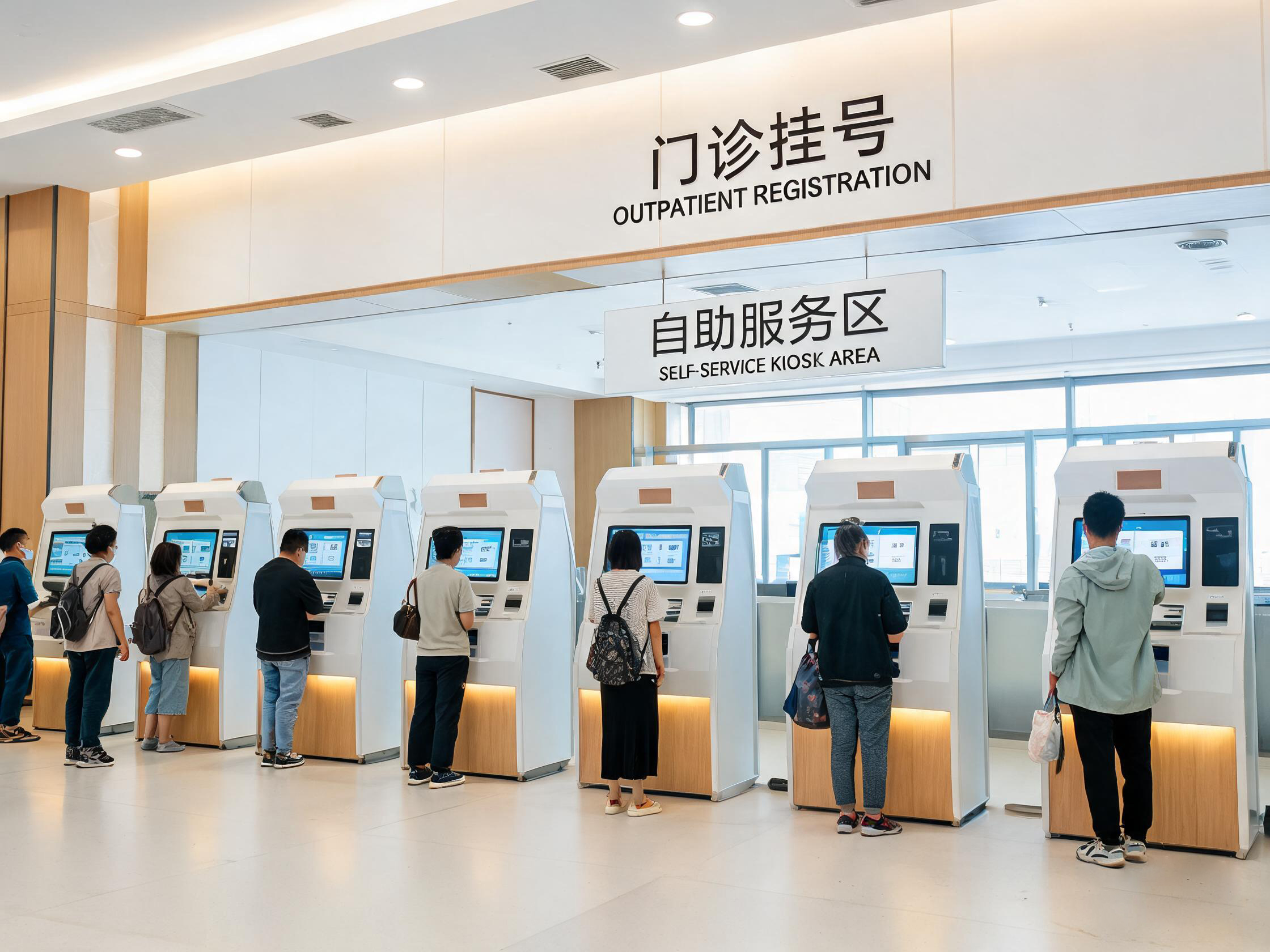
A public teaching hospital in Chengdu — government-set prices, published per item, and very high patient volume.
Environment and cost
A different medical environment — and a very different price
Where you are treated changes what you pay far more than what is done to you. In the United States and much of Europe, hospitals are largely private, prices are negotiated between insurers and providers, and a specialist appointment can take months. In China, the strongest hospitals are public university medical centres, with charges set and published by the health authority.
Abroad: high, opaque pricing driven by insurance and administration, with long waits for senior specialists.
In China: public price lists, itemised bills, and direct access to professor-level specialists.
The difference is not a discount on quality. You pay the same clinicians, at lower overhead and without the insurer margin.
Abroad: high cost, long waits, opaque pricing
Complex surgery is billed in the tens of thousands of dollars. A single night in intensive care can cost more than an entire week of hospital care in Chengdu. International patients often pay out of pocket first and claim reimbursement later, and a senior specialist appointment may be weeks or months away.
In China: published prices, full transparency
Charges are set per item by the public health authority and printed on your bill. An MRI costs a fraction of a Western price, a senior specialist consultation is often under USD 50, and surgery is priced as a total package — with receipts for every line.
Why the value is real
China's national price negotiations and volume-based procurement have sharply reduced the cost of many medicines and devices. Combined with publicly set hospital charges, this is what produces the price gap — not lower clinical standards. The same professor, the same operating theatre and the same implant can cost a fraction of the Western total.
Side by side
The same procedure, two very different bills
All figures are in US dollars. Chengdu amounts are converted from the hospital's published yuan rates at roughly 7.1 CNY per USD, and are indicative rather than a quotation.
Procedure or item
Typical cost in the US / Europe
Typical total in Chengdu
Coronary artery bypass grafting
$70,000 – $150,000
$11,300 – $25,400
Total knee replacement
$35,000 – $60,000
$7,000 – $12,700
Coronary stent implantation (per stent)
$25,000 – $50,000
$4,200 – $9,900
Cataract surgery (one eye)
$3,500 – $7,000
$1,100 – $3,500
MRI scan (per region)
$1,000 – $3,000
$70 – $210
Senior specialist consultation
$300 – $600
$14 – $42
Comparisons use published US and European charge ranges; Chengdu figures come from the hospital's published yuan price list. Ranges vary with the patient's condition, implant brand, ICU needs and complications. The full itemised breakdown is on the pricing page — and only a hospital quotation for your specific case is authoritative.
China's health system serves around 1.4 billion people, and its best hospitals sit at the centre of that population. A single teaching hospital can record more outpatient visits in one year than entire smaller countries see. That volume is the foundation of clinical experience.
1.4BPeople the Chinese health system serves
7.6MOutpatient and emergency visits a year at one hospital
220kOperations a year at that same hospital
1,010Senior-title experts on staff
Volume builds pattern recognition
Doctors who see dozens of similar cases every week recognise the unusual one quickly. A diagnosis that might take a second or third appointment elsewhere often happens within a single consultation.
Every stage and variant of disease
Patients arrive from across the country, often at an advanced stage and with several conditions at once. Rare presentations stop being rare, and complex cases become everyday work rather than exceptions.
Decisions made under real pressure
High patient numbers mean clinicians decide and act quickly. In emergency, critical care, surgery and oncology that pace is practised every single day — not only during training.
Ward rounds at a large teaching hospital — the clinical workload is high, and experience accumulates fast.
What it means for you
Experience you can actually use
Senior surgeons at China's top hospitals often perform several times the annual case volume of their Western peers. A department that handles thousands of a given operation a year has seen the complications, the variants and the failures — and knows how to avoid them.
That is why we recommend matching your case to a department with genuine volume in it, rather than choosing a hospital by reputation alone. We can tell you which of Chengdu's hospitals routinely treats your particular condition.
Medical escorts in Chinese hospitals, long before we worked with international patients
Our team began with medical accompaniment — what Chinese patients call peizhen — inside hospitals in Chengdu. For years we have guided patients through registration, appointment slots, examinations, payment windows and discharge: exactly the steps that confuse a first-time visitor.
Years of hands-on accompaniment inside Chengdu's major hospitals
Working relationships with registration staff and department coordinators
Experience across many specialties, from oncology to orthopaedics
Practical judgement: when travelling for treatment helps, and when it does not
An escort coordinator beside a patient in a Chengdu hospital — the work our team has done since the beginning.
That day-to-day experience is why we can tell you honestly what a hospital visit really involves, which department suits your case, how long a queue actually is and where the practical delays hide. We are not a booking website. We are people who spend our working lives on hospital floors.
EN · 中文Languages our coordinators work in every day
1:1One named coordinator assigned to each case
ChengduWhere our team lives and works
24/7Coordinator availability during your stay
We know the buildings
Where the registration hall is, which floor takes payment, how to reach the imaging centre and where to wait for results. That knowledge saves hours on every visit.
We speak the system's language
Chinese medical paperwork is specific. We translate consultations, consent forms, reports and discharge instructions, and explain what each document actually means for you.
We stay with you
From the first message to the last follow-up, one named coordinator handles your case — at the hospital door, on the ward, and after you fly home.
Start with a conversation
Send us your medical reports. We will tell you what is possible.
A free initial review: which hospital and department fit your case, a realistic timeframe and an indicative budget. No obligation, no pressure.